Custom orthotics are increasingly discussed in veterinary rehabilitation to support dogs with limb injuries, neurologic conditions, or chronic musculoskeletal disease. When used appropriately, orthotics can be a helpful tool. However, they are not a cure, and they are not right for every dog.
Understanding what orthotics can and cannot do is essential for setting realistic expectations and protecting long-term joint health.
What are custom orthotics?
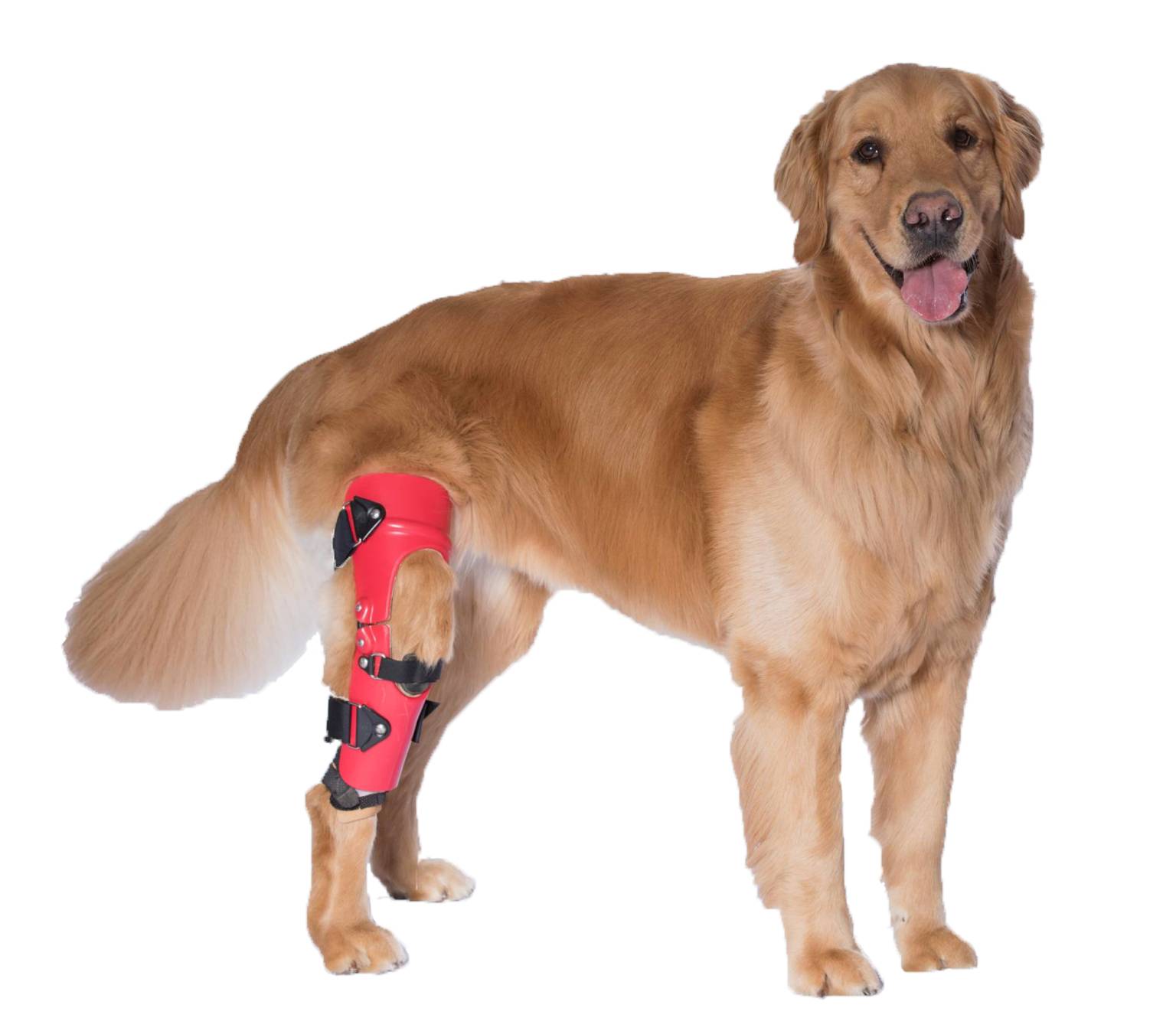
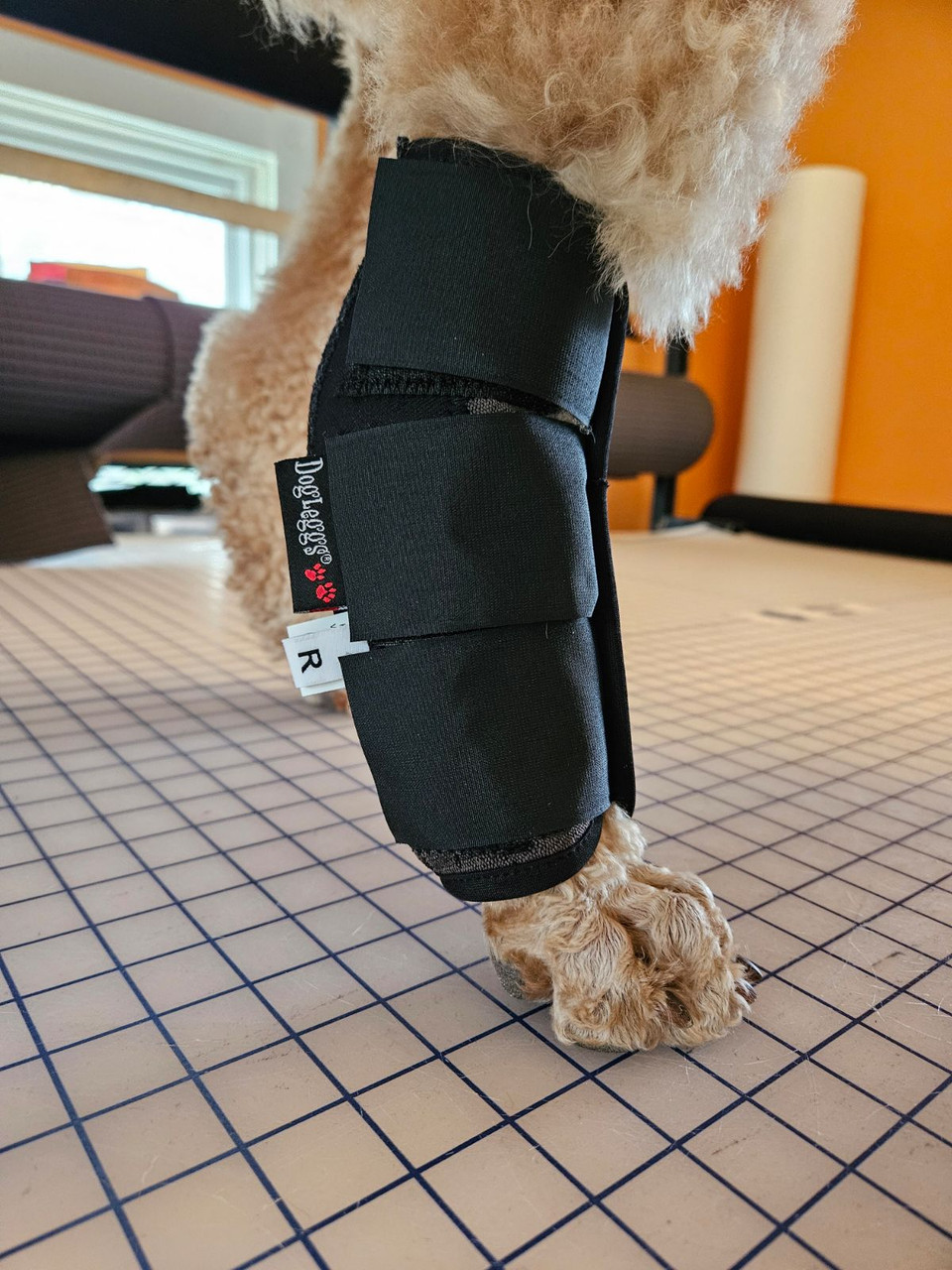
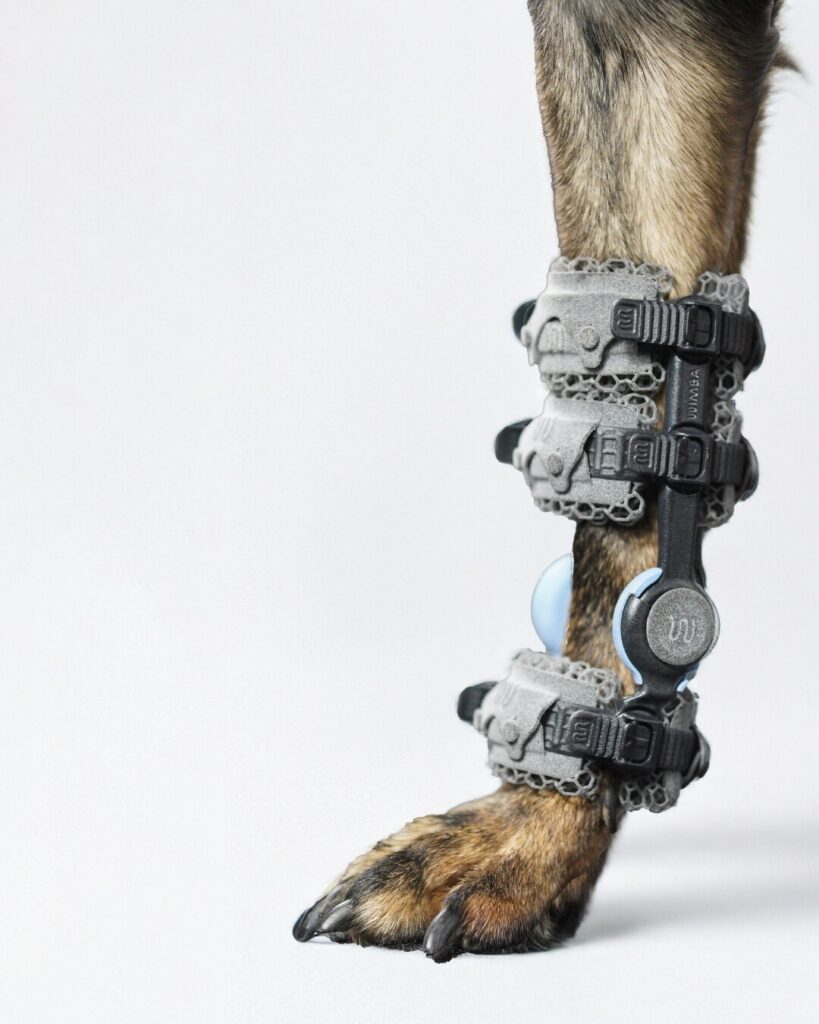
Custom orthotics are externally worn devices designed to support or align a specific joint or limb segment. Unlike mobility carts or wheelchairs, orthotics rely on the dog’s own strength and coordination. They are commonly prescribed for the carpus (wrist), tarsus (hock), or paw, and less commonly for the stifle.
Orthotics are typically fabricated based on molds or scans of the dog’s limb to improve fit and comfort.
Common indications in rehabilitation
Orthotics may be considered in dogs with:
- Carpal or tarsal instability
- Hyperextension injuries
- Partial tendon or ligament injuries
- Neurologic weakness with knuckling
- Post-operative support during rehabilitation
- Chronic limb deformities or malalignment
- Protection of a limb following injury or surgery
In rehabilitation, orthotics are often used as a temporary or intermittent aid rather than a permanent solution.
What orthotics do well
When properly selected and fitted, orthotics can:
- Provide joint support and improve alignment
- Reduce abnormal motion that contributes to pain
- Protect healing tissues during rehabilitation
- Improve paw placement and traction
- Enhance confidence and functional mobility
For some dogs, even modest improvements in stability can lead to meaningful gains in comfort and participation in therapy.
What orthotics cannot do
Orthotics have important limitations:
- They do not restore normal joint anatomy
- They do not reverse arthritis or nerve damage
- They cannot fully control internal joint forces
- They do not replace surgery when surgery is indicated
External devices cannot replicate the complex stabilizing role of ligaments, tendons, and muscles inside the joint.
Fit, compliance, and skin health matter
Success with orthotics depends heavily on:
- Proper fit and alignment
- Gradual introduction and wear schedule
- Regular skin checks for pressure sores or irritation
- Ongoing adjustments as the dog’s condition changes
Poorly fitted devices or overuse can lead to skin breakdown, altered gait patterns, or muscle atrophy.
Orthotics and muscle use
One concern with prolonged orthotic use is reduced muscle engagement. If a joint is externally supported all the time, the muscles responsible for stabilizing that joint may weaken.
For this reason, orthotics are often used during specific activities (such as walks or therapy sessions) rather than worn continuously. Rehabilitation exercises should continue to focus on strengthening, proprioception, and normal movement patterns.
Orthotics as part of a rehabilitation plan
Orthotics are most effective when integrated into a comprehensive rehabilitation program that may include:
- Therapeutic exercise
- Manual therapy
- Neuromuscular re-education
- Weight management
- Pain-modifying treatments
- Environmental modifications
They should support rehabilitation goals, not replace them.
Individualized decision-making is key
There is no one-size-fits-all approach. The decision to use a custom orthotic should be based on:
- The specific diagnosis and biomechanics involved
- The dog’s size, activity level, and temperament
- Owner ability to manage and monitor the device
- Clear goals for use (temporary vs long-term)
Regular reassessment is essential to determine whether the orthotic continues to provide a benefit.
Take-home message
Custom orthotics can be a valuable tool in canine rehabilitation when used thoughtfully and selectively. They work best as part of a broader treatment strategy focused on restoring function, maintaining strength, and protecting joint health.
When expectations are realistic and veterinary guidance is ongoing, orthotics can help some dogs move more comfortably and participate more fully in their recovery.
 drbrunke
Leave a comment